










Office Phone: 336-822-9201
Cell Phone: 336-471-0819
© 2026 Law Office of William G. Causey Jr. • All Rights Reserved
Disclaimer | Privacy Policy
Accepted Forms of Payment:
Visa, Mastercard, American
Express, Discover Card, Venmo,
Cash App, Zelle, and Apple Pay
Chemical Tests for DWI / DUI
40+ Years of Experience
Always a Free Initial Consultation
North Carolina’s “implied consent” law means that if a motorist is lawfully
arrested for driving while impaired (DWI, also commonly referred to as DUI,
driving under the influence), he or she agrees to submit to a chemical test
designed to measure blood alcohol concentration (BAC) or drug content in the
person’s blood. If you do not submit to chemical testing when a police officer
asks you to, you may lose your driving privileges for a year or longer.
The Results Of A Blood Alcohol Content
Test (BAC) May Bring DUI Charges
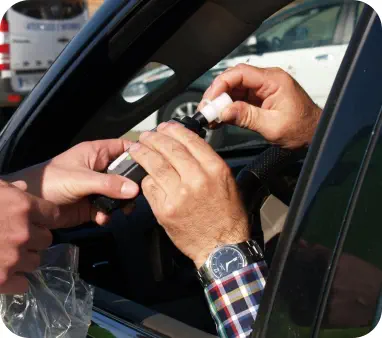


A defense lawyer on your side may challenge the admissibility of BAC test results if the police did not inform you of your rights and
consequences of refusal according to the implied consent laws. BAC tests in North Carolina and elsewhere will normally be one of two
types, as described below.
The Two Types Of Chemical Tests


It’s Essential that You Have a Time-
Tested Attorney On Your Side
Experience and in-depth legal education give a lawyer knowledge that cannot
be acquired simply by reading or by hearing anecdotes. At the Law Office of
William G. Causey Jr., you can count on proven, experienced counsel and
zealous representation. Learn how to get board-certified attorney William G.
Causey Jr. on your case and get answers to your questions. Call our
Greensboro office at 336-822-9201 or email me.
.
A blood test: An arresting office might ask you to
submit to a blood test, most likely at the police station
or at a hospital. If you are unconscious, it may be
administered if the police obtain a search warrant first.
A breath test: This may be administered with a portable device known as a
breathalzyer (1) after you were stopped at a checkpoint, (2) after you were
stopped and lawfully arrested on suspicion of driving drunk or (3) after an
auto accident in which someone was hurt or killed.
The results of a breath test carry very high stakes, since a particular blood
alcohol level may be sufficient for a DUI conviction, even if you did not
otherwise demonstrate that you were or might be driving under the
influence of alcohol or drugs.





Office Phone: 336-822-9201
Cell Phone: 336-471-0819
Accepted Forms of Payment:
Visa, Mastercard, American
Express, Discover Card, Venmo,
Cash App, Zelle, and Apple Pay
Chemical Tests for
DWI / DUI
40+ Years of Experience
Always a Free Initial Consultation
North Carolina’s “implied consent” law
means that if a motorist is lawfully arrested
for driving while impaired (DWI, also
commonly referred to as DUI, driving under
the influence), he or she agrees to submit to
a chemical test designed to measure blood
alcohol concentration (BAC) or drug content
in the person’s blood. If you do not submit
to chemical testing when a police officer
asks you to, you may lose your driving
privileges for a year or longer.
The Results Of A Blood
Alcohol Content Test
(BAC) May Bring DUI
Charges
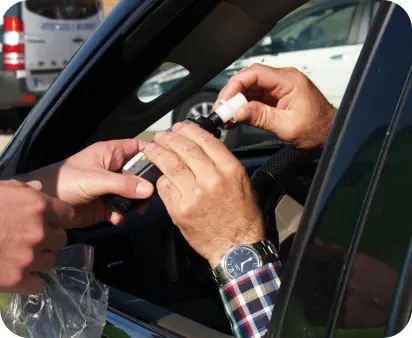


A defense lawyer on your side may
challenge the admissibility of BAC test
results if the police did not inform you of
your rights and consequences of refusal
according to the implied consent laws. BAC
tests in North Carolina and elsewhere will
normally be one of two types, as described
below.
The Two Types Of
Chemical Tests


It’s Essential that You
Have a Time-Tested
Attorney On Your
Side
Experience and in-depth legal education
give a lawyer knowledge that cannot be
acquired simply by reading or by hearing
anecdotes. At the Law Office of William G.
Causey Jr., you can count on proven,
experienced counsel and zealous
representation. Learn how to get board-
certified attorney William G. Causey Jr. on
your case and get answers to your
questions. Call our Greensboro office at
336-822-9201 or email me.
.
A blood test: An arresting office might ask
you to submit to a blood test, most likely at
the police station or at a hospital. If you are
unconscious, it may be administered if the
police obtain a search warrant first.
A breath test: This may be administered
with a portable device known as a
breathalzyer (1) after you were stopped at a
checkpoint, (2) after you were stopped and
lawfully arrested on suspicion of driving
drunk or (3) after an auto accident in which
someone was hurt or killed.
The results of a breath test carry very high
stakes, since a particular blood alcohol level
may be sufficient for a DUI conviction, even
if you did not otherwise demonstrate that
you were or might be driving under the
influence of alcohol or drugs.